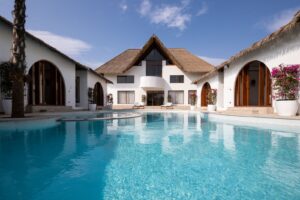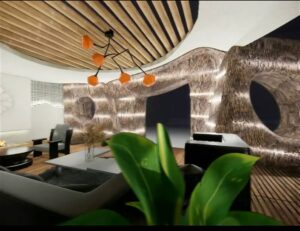

Rooftop restaurants have become some of the most attractive dining destinations in cities, resorts, hotels, and coastal locations. Guests enjoy open views, fresh air, beautiful sunsets, and a dining atmosphere that feels different from a traditional indoor restaurant. However, creating a comfortable and visually appealing rooftop space requires careful planning.
A rooftop dining area is constantly exposed to sunlight, rain, wind, humidity, and changing temperatures. The materials used must be attractive, lightweight, safe, weather-resistant, and easy to maintain. This is where synthetic thatch roofing can offer a practical and visually impressive solution.
Synthetic thatch recreates the warm, tropical appearance of natural thatch while providing the durability required for modern hospitality projects. It can transform an ordinary rooftop into a relaxing resort-style destination without many of the maintenance challenges associated with natural roofing materials.
From lightweight construction and weather resistance to fire-retardant options and creative lighting possibilities, synthetic thatch provides several benefits for rooftop restaurants. This guide explores the key design, safety, installation, and long-term factors that property owners, architects, and restaurant designers should consider.
Why Rooftop Restaurant Design Requires Special Planning
Unlike ground-level restaurants, rooftop dining spaces have unique structural and environmental requirements. Every material added to the rooftop contributes to the overall load on the building. The space may also experience stronger winds and more direct exposure to sunlight and rain because there are fewer surrounding structures to provide protection.
At the same time, rooftop restaurants need to remain comfortable throughout different seasons. Guests should be protected from intense sunlight and light rain while still enjoying the openness that makes rooftop dining attractive.
A successful rooftop design should consider:
- The load-bearing capacity of the existing structure
- Exposure to direct sunlight and UV radiation
- Wind direction and expected wind pressure
- Rainwater drainage
- Fire safety requirements
- Ventilation and airflow
- Lighting and electrical planning
- Accessibility for future inspection and maintenance
Synthetic thatch can support many of these requirements when it is selected carefully and installed over a properly designed supporting structure.
How Synthetic Thatch Transforms Rooftop Dining Areas
The visual impact of synthetic thatch is one of its biggest advantages. Its layered texture and natural colours can soften concrete, steel, glass, and other hard architectural surfaces commonly found on rooftops.
A simple rooftop with metal frames and basic seating may feel exposed or unfinished. Adding synthetic thatch roofing can create a warmer and more inviting atmosphere. The space begins to feel like a tropical retreat, garden restaurant, beach-inspired lounge, or luxury resort dining area.
Synthetic thatch can be used to create:
- Covered dining pavilions
- Rooftop gazebos
- Bar and beverage counters
- Private dining cabanas
- Shaded lounge areas
- Entrance canopies
- Decorative pergolas
- Photo-friendly seating zones
The material can complement many design styles. Lighter shades can create a relaxed coastal appearance, while deeper brown tones may suit rustic restaurants, breweries, themed lounges, and nature-inspired dining concepts.
The Importance of Lightweight Roofing for Rooftop Projects
Weight is one of the most important considerations when designing any rooftop structure. Heavy roofing materials may place additional pressure on the existing building and could require structural reinforcement.
Synthetic thatch is generally lightweight compared with many conventional roofing materials. Its lower weight can make it suitable for decorative rooftop canopies, gazebos, pergolas, and dining pavilions.
However, lightweight material does not mean structural planning can be ignored. The supporting frame, roof shape, fastening system, wind pressure, and total installed load must still be reviewed by qualified professionals.
Before beginning a rooftop installation, the project team should evaluate:
- The structural capacity of the roof
- The weight of the supporting framework
- The weight of the complete thatch roofing system
- Additional loads from lighting and electrical fixtures
- Local wind conditions
- Drainage requirements
A properly engineered framework helps the synthetic thatch remain secure while supporting the long-term safety of the rooftop dining area.
Weather Resistance for Year-Round Performance
Rooftop restaurants experience more direct weather exposure than many other hospitality spaces. During summer, the roof may receive intense sunlight for several hours each day. During the rainy season, it may face heavy rainfall, humidity, and strong winds.
High-quality synthetic thatch is designed to perform in demanding outdoor conditions. Depending on the product specification, it may offer resistance to UV exposure, moisture, fading, mould, and general weather-related deterioration.
Unlike natural thatch, synthetic materials do not provide a food source for termites and other insects. They also do not require frequent replacement due to natural decomposition.
Important weather-resistant features to look for include:
- UV-stabilised material
- Resistance to fading and discolouration
- Low moisture absorption
- Resistance to mould and fungal growth
- Secure installation for exposed locations
- Compatibility with the planned roof slope and drainage system
The performance of any roofing system depends on both material quality and installation. Proper overlapping, fastening, roof slope, edge finishing, and drainage planning are essential for long-term results.
Fire Safety in Rooftop Restaurants
Fire safety is a major consideration in restaurants because cooking equipment, electrical systems, lighting, heating equipment, and large numbers of guests may all be present within the same property.
Natural thatch is combustible and may require additional treatment to improve its fire performance. Synthetic thatch products may be available in fire-retardant variants, making them a useful option for certain commercial and hospitality applications.
However, the term fire-retardant should not be interpreted as completely fireproof. Product performance can vary depending on the material, manufacturing process, certification, installation method, and local safety requirements.
Before selecting synthetic thatch for a rooftop restaurant, project owners should:
- Request relevant fire-test reports or certifications
- Confirm whether the product meets applicable building regulations
- Consult qualified fire-safety professionals
- Maintain safe distances from cooking equipment and heat sources
- Use suitable electrical wiring and protected lighting fixtures
- Plan emergency exits and fire-safety equipment correctly
The final roof design should comply with local building and fire regulations. Material selection should be part of a complete safety plan rather than treated as a separate decorative decision.
Synthetic Thatch Compared with Natural Thatch for Rooftop Restaurants
| Synthetic Thatch Roofing | Natural Thatch Roofing |
| Generally lightweight and suitable for many decorative rooftop applications | Lightweight but may require thicker layers and regular replacement |
| Designed for improved resistance to sunlight and outdoor weather | Can dry, fade, decay, or lose material over time |
| Requires relatively low routine maintenance | May need repairs, treatment, and periodic re-thatching |
| Does not attract termites as a food source | May be affected by insects, birds, and organic decay |
| Fire-retardant variants may be available | Naturally combustible and may require additional treatment |
| Offers consistent colour, shape, and texture | Natural variation creates an organic but less uniform appearance |
| Can provide long-term value through fewer replacement cycles | Lower initial material cost may be offset by ongoing maintenance |
Both materials can create attractive rooftop environments. However, synthetic thatch is often preferred for commercial projects where consistent appearance, lower maintenance, and long-term outdoor performance are important.
Creative Lighting Ideas for Synthetic Thatch Roofs
Lighting can completely change the appearance of a rooftop restaurant after sunset. The layered texture of synthetic thatch creates natural depth and shadow, making it especially effective when combined with warm, carefully positioned lighting.
Rather than using harsh white lighting, many hospitality designers choose soft, warm illumination to highlight the roof texture and create a relaxed dining atmosphere.
Popular lighting ideas include:
- Pendant lights above dining tables
- Warm LED strips integrated into supporting beams
- Concealed lighting beneath roof edges
- Decorative lanterns for tropical or rustic themes
- Focused lighting around bar counters
- Uplighting on artificial bamboo columns
- Soft pathway lighting between dining zones
Lighting should be planned before the thatch is installed. This allows wiring, conduits, access points, and fixtures to be incorporated safely into the supporting structure.
Electrical components should be suitable for the installation environment, particularly in open or semi-open rooftop spaces exposed to humidity and rain. Heat-producing fixtures should not be placed too close to roofing materials.
Creating Comfortable Dining Areas with Shade and Ventilation
A rooftop restaurant should provide protection without losing its open-air character. Fully enclosed spaces may trap heat and reduce airflow, while completely uncovered areas can become uncomfortable during sunny or rainy weather.
Synthetic thatch can help create shaded zones while maintaining a natural, open appearance. It works particularly well in semi-open pavilions where air can circulate freely from multiple sides.
For improved comfort, designers can combine synthetic thatch roofing with:
- Open-sided dining structures
- High or sloped roof designs
- Ceiling fans where appropriate
- Artificial bamboo partitions
- Green walls and planters
- Retractable weather screens
- Natural ventilation pathways
The aim is to balance shade, airflow, weather protection, and rooftop views. A well-planned layout allows guests to enjoy the outdoor atmosphere while remaining comfortable.
Low Maintenance and Reduced Operational Disruption
Maintenance can be challenging for busy restaurants. Repairs may require sections of a dining area to be closed, affecting seating capacity and revenue. Materials that need frequent painting, polishing, pest treatment, or replacement can increase operational costs over time.
Synthetic thatch is valued for its relatively low maintenance requirements. It generally does not need regular polishing, painting, or chemical pest treatment. Routine care may involve occasional inspection and cleaning, depending on the environment and product specifications.
A basic maintenance plan may include:
- Checking fasteners and roof edges periodically
- Inspecting the roof after severe weather
- Removing accumulated leaves or debris
- Keeping drainage channels clear
- Checking lighting and electrical components
- Cleaning surfaces according to the supplier’s recommendations
Regular inspections can help identify small issues before they become costly repairs.
Long-Term Financial Benefits
The initial cost of synthetic thatch may be higher than some natural alternatives, but the long-term value should be evaluated across the complete lifecycle of the roof.
Potential savings may come from:
- Fewer replacement cycles
- Reduced maintenance labour
- No regular polishing or surface treatment
- Lower pest-control requirements
- Less operational downtime for repairs
- Consistent appearance over a longer period
For rooftop restaurants, maintaining a premium appearance is important. A damaged or poorly maintained roof can affect customer perception, online reviews, photographs, and the overall dining experience.
A durable roofing solution can therefore support both operational efficiency and brand value.
Choosing the Right Synthetic Thatch for a Rooftop Restaurant
Not every synthetic thatch product is suitable for every project. Selection should be based on the rooftop environment, architectural style, expected weather exposure, safety requirements, and desired appearance.
Before making a final decision, consider:
- Material quality and UV stability
- Fire-retardant options and supporting documentation
- Product weight and complete system load
- Roof slope and supporting structure
- Wind exposure at rooftop level
- Colour and texture
- Installation method
- Warranty and expected service life
- Supplier experience with commercial projects
Working with experienced architects, structural consultants, installers, and material suppliers can help ensure that the design is both visually attractive and technically appropriate.
Final Thoughts
Synthetic thatch roofing can transform an ordinary rooftop into a distinctive dining destination. Its natural appearance adds warmth and character, while its lightweight construction, weather resistance, low maintenance requirements, and available fire-retardant options make it suitable for many modern hospitality projects.
However, successful rooftop design requires more than choosing an attractive roofing material. Structural capacity, wind exposure, fire safety, drainage, electrical planning, lighting, and installation quality must all be considered from the beginning.
When these elements are planned carefully, synthetic thatch can help create rooftop restaurants that feel comfortable, memorable, and visually connected to nature. From relaxed tropical cafés to premium rooftop lounges, it offers a practical way to combine natural-inspired design with modern performance.
Create a Distinctive Rooftop Dining Experience with KHW Solutions
KHW Solutions Pvt. Ltd. offers premium synthetic thatch roofing solutions for rooftop restaurants, resorts, cafés, gazebos, poolside spaces, and hospitality projects.
Our synthetic thatch solutions are designed to combine realistic natural beauty with long-lasting outdoor performance and low maintenance.
Contact KHW Solutions today for product guidance, project consultation, and a customised quotation for your rooftop restaurant.